Introduction
A successful bathroom renovation starts long before tiles, tapware, or paint are chosen. Strong results come from practical planning, clear priorities, and design choices that support daily use. A well-finished space should feel easy to clean, comfortable to move through, and consistent with the rest of the home. Good design also helps control costs, reduce delays, and prevent layout mistakes that often cause regret later.
Start With Layout
Every strong bathroom begins with a layout that supports movement, storage, and plumbing access. Before fixtures are selected, many Auckland homeowners review Complete Bathroom Renovations in Auckland for common project elements, service scope, and material choices. That context helps shape realistic plans, especially where older pipework, tight footprints, or family needs affect the final arrangement.
Let Function Lead
A bathroom should serve the household before it tries to impress guests. Daily habits reveal what matters most, whether that means two basins, better lighting, or stronger storage. A family bathroom needs different priorities from an ensuite. Smart planning places the shower, vanity, and toilet where each one feels natural, without blocking access or crowding the room.
Use Light To Shape Space
Natural light can make a small bathroom feel calm and open. If windows are limited, layered artificial lighting becomes essential. Ceiling lighting should cover the room evenly. Task lighting near mirrors helps shaving, makeup, and grooming. Warm, balanced tones usually create a more relaxed effect than harsh white bulbs, which can flatten colour and make finishes look colder.
Choose Durable Surfaces
Bathrooms face heat, moisture, steam, and constant cleaning. Surface choices should handle that pressure without losing their finish too quickly. Porcelain tiles, sealed stone, and quality laminate vanities often perform well over time. Slip resistance matters as much as appearance. A glossy floor may look sharp in photos, yet it can become risky after showers or busy morning routines.
Keep Storage Simple
Good storage reduces clutter and makes a renovated bathroom feel finished. Recessed shelves, mirrored cabinets, and wide vanity drawers can hold daily items without overwhelming the room. Open shelving should stay limited, because exposed products quickly create visual noise. Storage works best when it sits close to the activity it supports, such as towels near the shower or drawers beside the basin.
Make Ventilation A Priority
Ventilation protects paint, grout, ceilings, and cabinetry from excess moisture. A well-sized extractor fan removes steam faster and helps prevent mould growth. Windows can help, though many bathrooms still need mechanical support. Poor airflow shortens the life of finishes and increases cleaning demands. This part of the design is easy to overlook, yet it affects comfort every single day.
Spend Where It Counts
A balanced budget does not mean choosing the cheapest option in every category. Some items deserve stronger investment, especially waterproofing, plumbing work, and hardware used many times each day. Decorative upgrades can wait if funds are tight. Paying for reliability in hidden systems often prevents repairs later, while still leaving room for style through mirrors, tapware, and colour.
Balance Style With Longevity
Trends can add personality, though permanent finishes should age well. Neutral base colours often give a bathroom more flexibility over time. Interest can still come through texture, contrast, or shaped mirrors. A renovation should feel current without becoming dated too quickly. The strongest spaces usually mix timeless elements with one or two expressive details, rather than many competing statements.
Plan Around Plumbing
Existing pipe locations can shape the budget more than many people expect. Moving a toilet, shower, or waste line often adds labour and complexity. Keeping key services near their original positions may reduce disruption and simplify approvals. That does not mean creativity must disappear. Careful design can still improve flow, comfort, and appearance while working within the home’s practical limits.
Add Detail With Purpose
Finishes That Earn Their Place
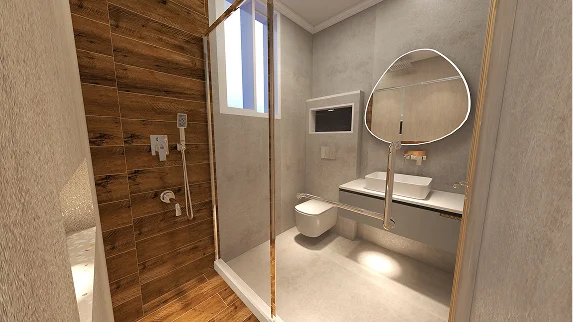
Small details often decide whether a bathroom feels polished or unfinished. Handles, tapware, grout colour, towel rails, and mirror shape should support one clear direction. Mixing too many finishes can create visual tension. Repeating one metal tone across the room usually brings order. Even modest bathrooms look stronger when every visible element appears chosen for a reason.
Think About Cleaning
Easy maintenance should guide many design decisions. Wall-hung vanities can make floor cleaning simpler. Large-format tiles may reduce grout lines, which means less scrubbing over time. Frameless shower screens can look clean, though quality glass treatment helps keep them practical. A beautiful room loses value if it demands constant effort. Design should support real life, not only showroom presentation.
Conclusion
Successful bathroom renovations rely on practical choices, not surface appeal alone. Layout, lighting, storage, ventilation, and durable materials all shape how the room performs over time. Strong projects also respect budget limits and existing plumbing realities, while still leaving space for personal style. With careful planning and clear priorities, a bathroom can feel refined, useful, and easy to live with for many years.