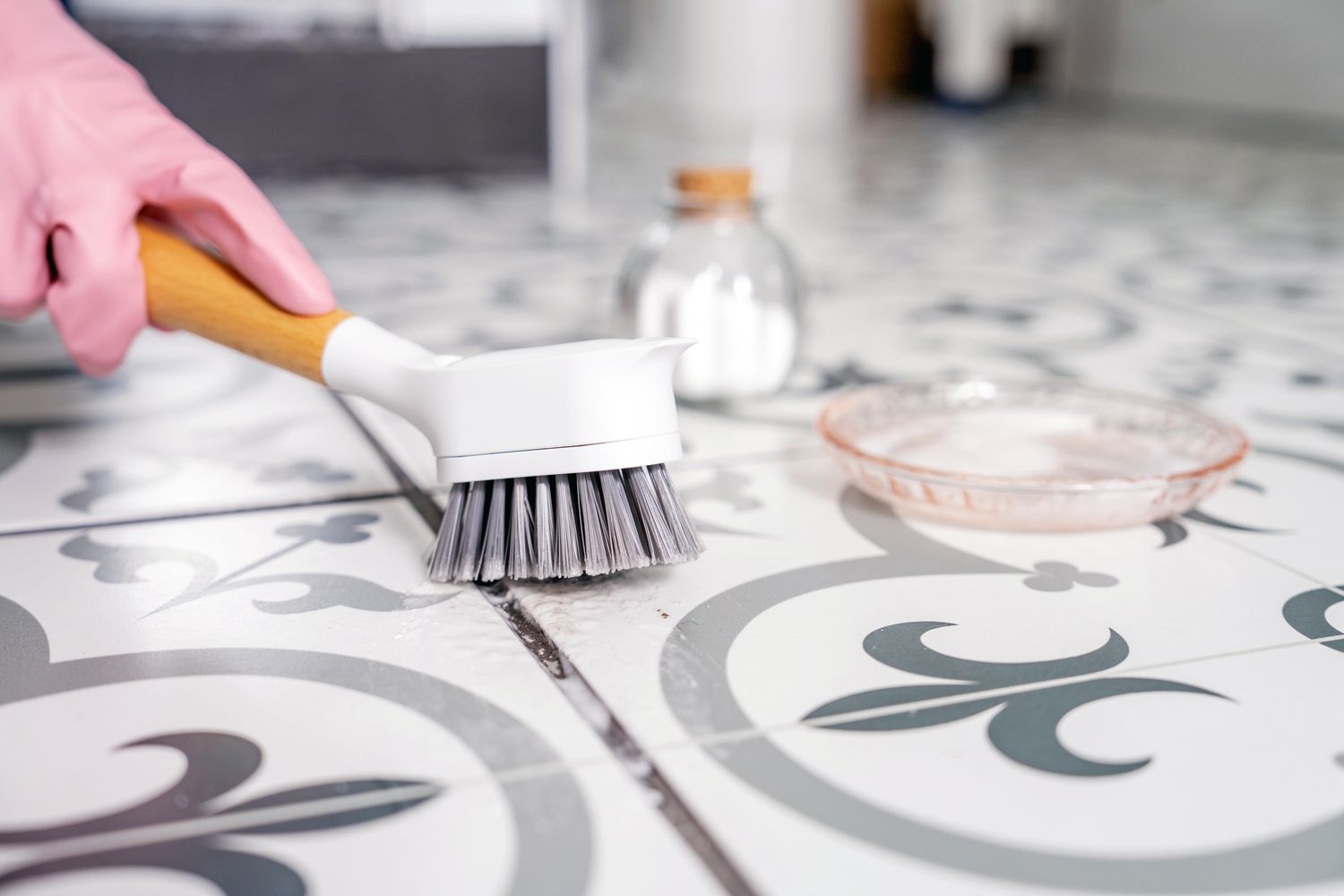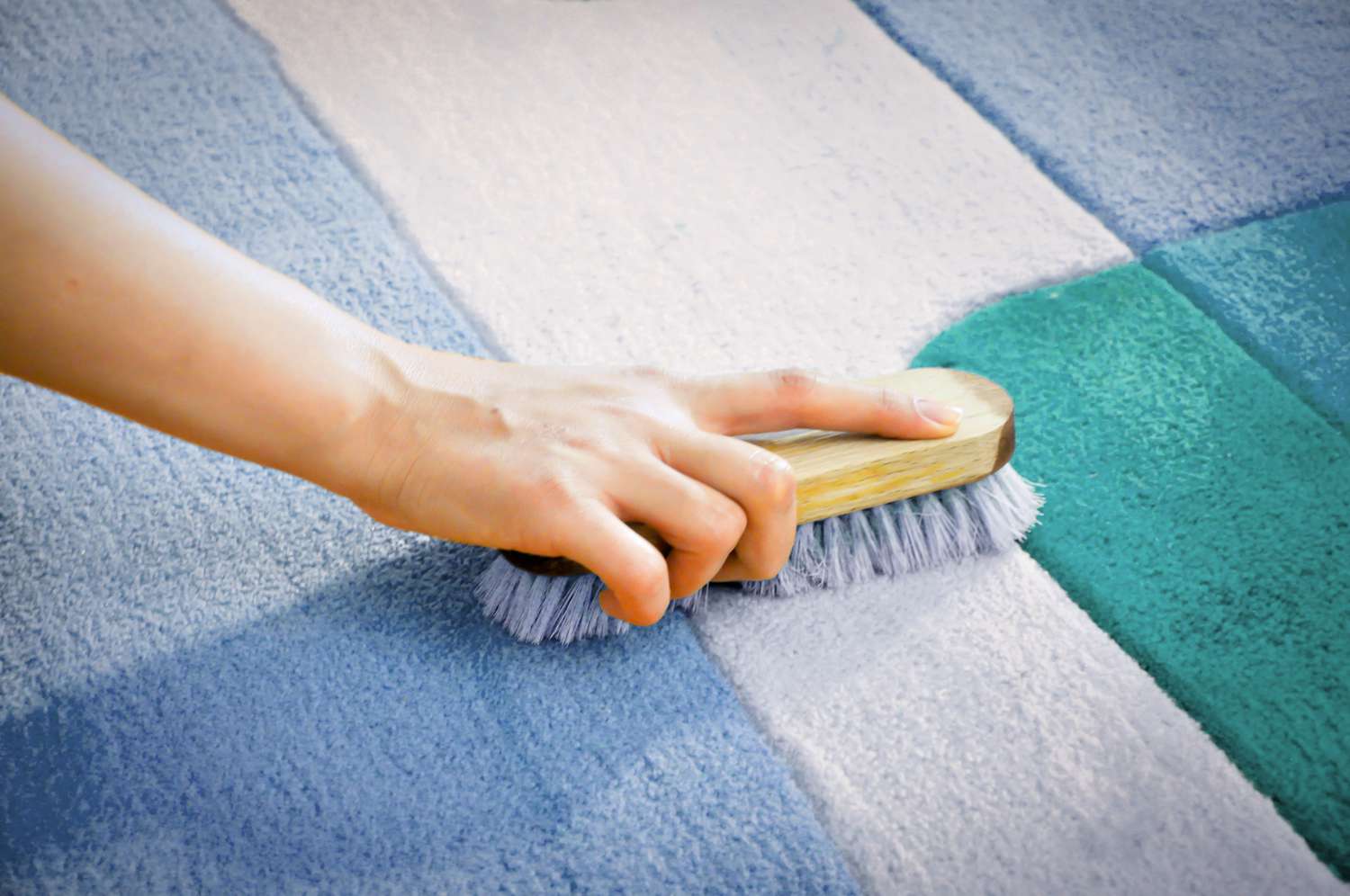
Carpet stains are an inevitable part of everyday life. Whether caused by spilled beverages, muddy shoes, or food accidents, stains can make a home feel less clean. Many homeowners assume that professional services are the only solution. However, with simple tools and household ingredients, stains can often be managed effectively. This guide explores practical DIY methods that can restore carpets and help maintain their appearance over time.
Understanding Stains
Stains vary depending on the substance and carpet material. Water-based stains, such as juice or coffee, respond differently compared to oil-based stains from cooking or cosmetics. Identifying the type of stain is the first step toward effective removal. Knowledge of stain behavior allows individuals to select the correct approach and avoid worsening the damage. Treating stains quickly often produces better results, preventing deep-set discoloration.
Immediate Action Matters
When a stain occurs, immediate attention is crucial. Blotting excess liquid with a clean cloth or paper towel prevents it from spreading further. Avoid rubbing the area, as this can push the stain deeper into fibers. For solid substances, gently scrape them with a spoon or dull knife before cleaning. Acting promptly reduces the need for strong chemicals or repeated efforts.
Common Household Solutions
Many effective cleaning solutions exist within the household. White vinegar, baking soda, and dish soap are versatile and safe for most carpet types. A mixture of vinegar and water can neutralize stains from beverages or light spills. Baking soda not only absorbs moisture but also removes odors. Dish soap, when diluted in water, works well on grease or food stains. Using these ingredients appropriately can save both time and money.
Blotting Technique
Blotting is a critical technique in DIY carpet cleaning. After applying a cleaning solution, pressing a clean cloth onto the stain lifts it without spreading. Repeating this process while using fresh sections of the cloth ensures gradual removal. Patience is key, as stubborn stains may require several applications. Blotting should always be gentle to prevent damaging carpet fibers.
Dealing With Oil-Based Stains
Oil-based stains, such as butter or makeup, require a slightly different approach. Absorbent powders, like baking soda or cornstarch, help pull oil from the fibers. Sprinkle the powder on the stain and leave it for at least 15 minutes. Vacuuming the residue afterward prepares the area for a gentle cleaning solution. Using warm water and a small amount of dish soap often completes the process, leaving the carpet clean without harsh chemicals.
Handling Beverage Spills
Coffee, tea, and soda are common culprits for carpet stains. For fresh spills, blotting with water is effective. If the stain persists, a mixture of vinegar and water can help break down the residue. Applying the solution sparingly prevents over-saturation, which can cause further issues. Blotting again with a clean cloth removes excess moisture and restores the appearance of the carpet.
Tackling Mud and Dirt
Mud stains require drying before treatment. Wet mud should be allowed to dry completely, then scraped off gently. Once the bulk of the dirt is removed, a mild soap and water solution can be applied. Blotting from the outside toward the center prevents smearing. Regular vacuuming after the stain has been treated ensures that remaining particles do not embed deeper into the carpet.
Pet Stains
Accidents from pets are a frequent cause of stains. Enzymatic cleaners are particularly effective in breaking down organic materials found in urine or vomit. Applying the cleaner according to the instructions and allowing sufficient time to work can prevent lingering odors. Blotting and rinsing with water afterward ensures the carpet is safe for both humans and animals.
Removing Ink and Marker
Ink stains can be challenging, but careful handling produces results. Rubbing alcohol applied with a cloth can lift ink from carpet fibers. Testing a small, hidden area first ensures that the solution does not cause discoloration. Gentle blotting, rather than scrubbing, avoids spreading the ink. Multiple short applications are more effective than a single heavy attempt.
Persistent Stains
Some stains resist initial cleaning efforts. For these, repeating the cleaning process with a slightly stronger solution may be necessary. Patience is essential, as aggressive scrubbing can damage carpet fibers. Consistency and careful observation allow for gradual improvement without causing permanent harm.
Maintaining Clean Carpets
Prevention and regular maintenance reduce the need for intense cleaning. Frequent vacuuming removes dirt and debris before they settle. Using doormats at entrances limits the amount of soil tracked onto carpets. Addressing spills immediately and treating high-traffic areas more frequently prolongs the carpet’s life. These habits contribute to a cleaner and more welcoming home environment.
When to Seek Professional Assistance
While DIY methods are effective for most stains, certain situations benefit from professional intervention. Deep-set stains, extensive damage, or delicate carpet materials may require specialized equipment. Homeowners can complement these services with regular upkeep. For local solutions, finding a reliable service, such as carpet cleaning in Ormeau, ensures carpets are maintained safely and efficiently.
Tips for Success
Consistency and attention to detail increase the success of DIY stain removal. Always test cleaning solutions on a small, hidden section of carpet first. Avoid excessive liquid to prevent mold growth. Using clean tools for each application maintains hygiene and prevents cross-contamination. Keeping a small kit with essential supplies ensures readiness for unexpected spills.
Conclusion
Carpet stains need not be permanent or unsightly. By understanding different types of stains and using accessible household ingredients, homeowners can restore their carpets effectively. Prompt action, proper techniques, and regular maintenance contribute to long-lasting results. While some challenges may require professional support, most stains respond well to careful, patient cleaning. Implementing these strategies helps maintain both appearance and comfort in living spaces, allowing carpets to remain an inviting part of the home.