Introduction
Carpets influence household comfort, indoor air quality, and property appeal. Yet, many owners delay professional care until visible marks appear. That approach can create higher expenses through permanent staining, fibre damage, and premature replacement. A consistent maintenance plan removes harmful particles before they settle deeply. Regular attention also protects flooring investments, supports healthier rooms, and reduces sudden repair bills. Small cleaning costs, spread across each year, can therefore prevent much larger financial pressures later.
Routine Care Protects Flooring
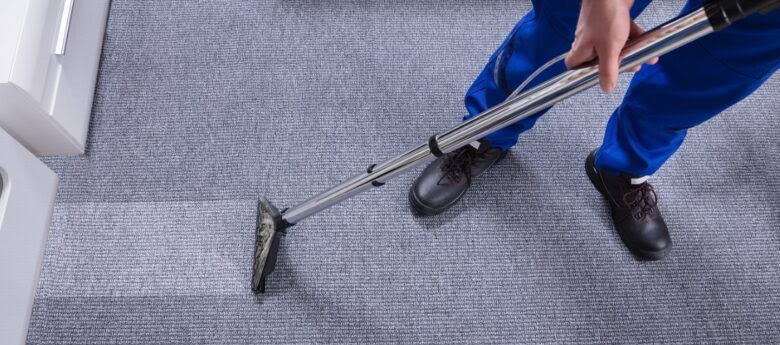
Professional carpet care removes grit, oils, and fine particles that everyday vacuuming may leave behind. These materials act like sandpaper beneath moving feet, gradually wearing fibres and flattening texture. Property owners seeking carpet cleaning in Bunbury can arrange suitable maintenance before damage becomes obvious. Timely treatment helps preserve appearance, comfort, and useful flooring life.
Replacement Costs Add Up
Replacing carpet involves more than purchasing new material. Labour, furniture movement, disposal, preparation, and installation all affect the final invoice. Large rooms can create a substantial financial burden, especially when several areas need attention together. Scheduled cleaning extends serviceable years, allowing owners to delay these expenses. That extra time can support better budgeting and reduce pressure after unexpected household costs.
Stains Become Harder Over Time
Fresh spills usually require less effort than old marks. Liquids can spread through fibres, while oils attract dust and create darker patches. Heat, foot traffic, and unsuitable home products may set discolouration permanently. Prompt professional treatment gives technicians a better chance of removing the source. Early action protects visual appeal and may prevent a single accident from affecting an entire room.
Clean Fibres Support Better Air Quality
Carpet can trap dust, pollen, pet dander, and other airborne particles. Each step may disturb those deposits, sending them back into room air. Regular extraction removes a greater share than surface vacuuming alone. Cleaner flooring can support more comfortable breathing, especially for residents sensitive to household irritants. Reduced dust may also mean fewer purchases of filters, sprays, and other short-term remedies.
Maintenance Can Protect Warranties
Some carpet warranties include care expectations, such as routine vacuuming and periodic professional cleaning. Ignoring those conditions may weaken support if a manufacturing issue appears later. Owners should review product documents before choosing a schedule or treatment method. Keeping dated service records creates useful evidence of responsible maintenance. That paperwork can help protect available warranty benefits and prevent avoidable disputes.
Fewer Repairs Mean Less Disruption
Neglected flooring can develop matted sections, unpleasant smells, and spreading stains. Correcting several problems often requires repeated visits or partial replacement. Regular service addresses soil before it causes deeper deterioration. Fewer interventions can reduce time spent moving furniture, limiting room access, or arranging tradespeople. Financial savings therefore extend beyond invoices, covering inconvenience and lost household productivity.
Smart Scheduling Controls Spending
A practical schedule depends on traffic levels, pets, children, weather, and flooring colour. Busy hallways may need attention more frequently than lightly used bedrooms. Waiting for severe soiling can raise treatment difficulty and price. Planned appointments make spending more predictable. Owners can compare annual care costs against replacement estimates, then select intervals that suit household conditions without paying for unnecessary visits.
Home Care Still Matters
Professional treatment works best beside simple daily habits. Vacuuming slowly, placing mats near entrances, and removing shoes can limit incoming grit. Blotting spills quickly also prevents moisture from spreading. Harsh chemicals may create discolouration or leave sticky residues, so product instructions deserve careful attention. These modest actions reduce soil levels between appointments and help each service deliver longer-lasting results.
A Practical Return on Investment
Carpet cleaning creates value through prevention rather than dramatic short-term change. Preserved fibres retain a better appearance, while fewer stains reduce replacement risk. Cleaner rooms may also support stronger rental presentation and positive impressions during property inspections. Across several years, modest maintenance payments can cost less than one premature flooring upgrade. This calculation makes regular care a sensible household investment.
Conclusion
Regular carpet cleaning can protect more than surface appearance. It helps limit fibre wear, supports cleaner indoor air, preserves warranty conditions, and reduces repair demands. Planned service also makes household spending easier to predict. Owners who combine professional treatment with sensible daily habits can extend flooring life and delay replacement. The strongest financial benefit comes from addressing soil and spills early, before minor problems become expensive restoration projects.