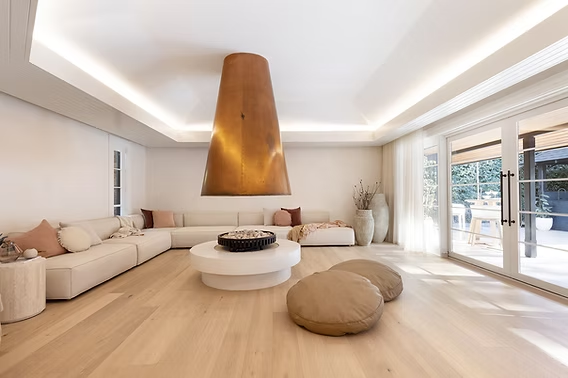
Modern homes need surfaces that look calm, feel secure underfoot, and tolerate real life. Flooring choices affect dust load, fall risk, cleaning effort, and long-run upkeep spending. Engineered oak appeals because it pairs genuine timber texture with a layered build that holds shape more reliably. With varied finishes and plank formats, it suits open-plan living, small apartments, and family zones while keeping visual continuity between rooms.
Stable Under Seasonal Change
Indoor humidity shifts with heating and cooling, and timber can respond with swelling or shrinkage. With engineered oak flooring, a layered core helps moderate movement linked to moisture change, which supports steadier seams and flatter boards. That matters for airtight builds where indoor air can cycle between dry and damp. Fewer gaps also means less debris trapping, which can reduce the fine grit that irritates bare feet.
Strong for High-Footfall Rooms
High-traffic areas take repeated compression from footsteps, chair legs, and pet claws. An oak wear layer bonded to a supportive core helps absorb routine impact without the same degree of surface chatter. Pre-finished coatings can limit micro-abrasions that hold grime and raise cleaning time. For households managing joint pain, a smoother, intact finish can also lower trip triggers caused by lifted edges.
Real Timber Look, Cleaner Lines
Oak grain adds visual depth without relying on printed patterns. Engineered boards keep authentic character while offering consistent dimensions for tidy joins. Wider planks can reduce visual “busyness”, which supports creating peaceful rooms and simpler styling. A brushed surface can soften glare from strong lighting, helping spaces feel easier on the eyes after long screen-heavy days. Colour ranges also make it easier to match paint, textiles, and cabinetry.
Moisture Tolerance for Practical Spaces
Entryways and dining zones see wet shoes, splashes, and quick cleanups. Layered construction can slow rapid moisture uptake compared with many solid boards, which reduces sudden edge swelling after small spills. Prompt wiping still matters, yet a little tolerance helps protect fit and appearance. A stable surface can also support safer footing, since raised seams can catch toes and increase fall risk.
Installation Choices for Renovation Speed
Renovations often involve limited access, tight timelines, and more indoor dust. Many engineered oak products allow floating, glue-down, or nail-down installation, which lets installers match the method to the subfloor. Click systems can reduce adhesive fumes during fit-out, a useful point for households sensitive to respiratory irritants. Predictable board geometry also improves clean transitions at thresholds, stairs, and skirting lines.
Better Compatibility With Modern Heating
Radiant heating can dry indoor air and stress timber through repeated thermal cycling. Engineered oak can perform well here because the core layers limit rapid expansion and contraction. Heat transfer depends on plank thickness and underlay selection, so choices should align with the system’s output. When correctly specified, homes can gain more even warmth underfoot, which supports comfort for cold feet and stiff joints.
Repair Planning and Lifespan Value
Flooring is a health, safety, and budget decision over time. Engineered oak can offer a long service life when the wear layer suits the home’s traffic load. Some boards tolerate light sanding, which can remove surface scratches that hold allergens and dirt. Felt pads under furniture, routine grit removal, and pH-neutral cleaners help keep the finish intact, limiting the need for harsh chemicals indoors.
Lower Waste Through Smarter Timber Use
Material choice affects resource use and renovation waste. Engineered boards use a thinner oak surface over a structural base, which can reduce demand for thick hardwood sections. Responsible sourcing supports better forest outcomes and steadier supply chains. Longer lifespan also means fewer tear-outs, which lowers landfill load and the indoor particle surge that often follows demolition. For many households, that is a practical sustainability gain.
Design Flexibility Room by Room
Open layouts benefit from one continuous floor that still feels warm. Engineered oak can run through living rooms, dining rooms, and corridors with fewer visual breaks, helping spaces feel larger and less cluttered. Matte finishes tend to show less dust than gloss, which can ease daily tidying. Textured options can also improve grip for socks, kids, or older adults, supporting steadier steps around the home.
Care Routines That Fit Real Life
Daily maintenance should support health, not add stress. Soft-head vacuuming removes grit that causes micro-scratches and dull patches. Quick spill cleanup reduces stain risk and limits moisture sitting at seams. Strong solvents can degrade finishes and add airborne irritants, so gentler products are a better fit for routine use. With consistent habits, the surface stays smoother, which helps keep dust and debris from embedding.
Conclusion
Engineered oak can suit modern homes where comfort, safety, and practical upkeep matter. The layered build helps boards stay steadier through humidity and temperature swings, which supports flatter seams and easier cleaning. Real oak surfaces bring warmth without printed imitation, while finish and plank choices let rooms stay cohesive. With sensible care and prompt spill management, households can keep the floor attractive, comfortable, and cost-effective for years.