An extension to your home can help you make the most of your property and give it a more spacious feel. Do you want to build a new bedroom, expand your kitchen or turn your garage into an office space at home? In such cases, the design of the perfect house extension is essential. So here is a visual of the process you can follow to help you through!
1. Define Your Objectives
Identify Your Needs
You have a structured format which specifies what you are trying to achieve the extension for. Find out what is wrong with your current home and how an extension can solve it, apart from wanting an extra room or two for the growing family whether it is creating a new entertainment space precise goals are what will drive your entire project.
Set a Budget
Taking care to set a budget from the get-go helps you control expectations and scope. Think about things like materials, labor cost for work, permits and furnishings. Planning a buffer amount in the case of extra expenses that can happen is a smart move.
2. Understand Legal Requirements
Check Local Regulations
Research local building requirements and zoning laws before starting to design they can factor in the Scale, style and placement of your extension. The permits that you need in order to avoid legal problems.
Hire Professionals for Guidance
So it’s good to get in contact with an architect or a planner, as they can assist you process complicated laws and ascertain whether your strategy is plausible. Local agencies can help you avoid unnecessary delays or fines by making sure your design complies with local regulations.
3. Design the Space
Sketch Initial Ideas
Start by creating a rough sketch or a list of features that you want your extension to have. Consider the adjacencies, how spaces will connect to one another new and existing, and where sunlight will shine in.
Work with an Architect
You work with a seasoned architect to refine your ideas into something actionable. Talk about your needs, priorities, budget and even any further specific requests. A professional can provide creative ideas and make for a better design.
4. Choose Materials and Finishes
Consistency with Existing Structure
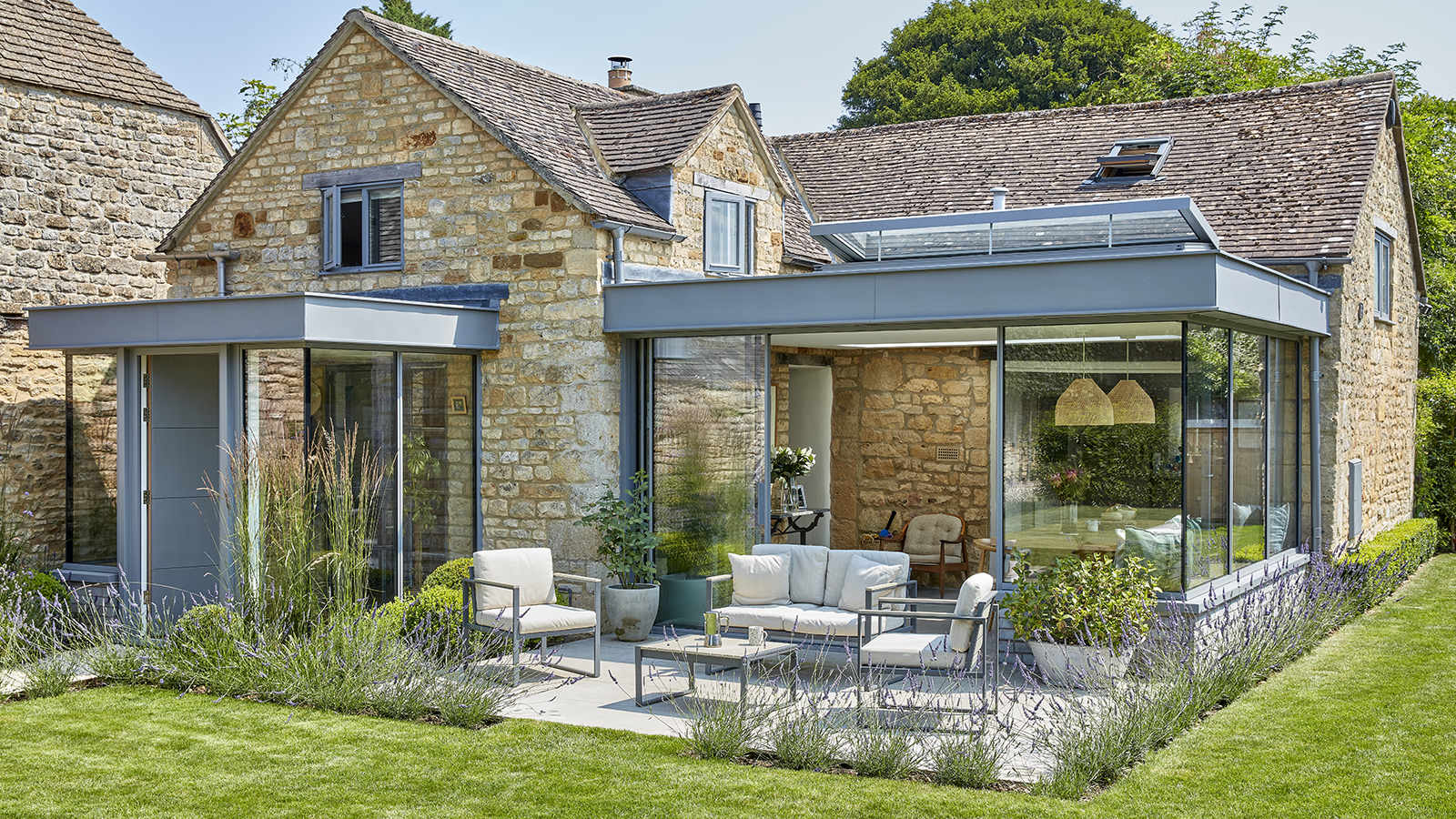
Use materials that coordinate with the existing house. This gives your property a unified look and preserves its appearance. You need to think about energy-saving materials that can help you in boosting sustainability and saving costs in the long run.
Quality and Durability
Choose materials that are built to last and offer long-term durability. Although these materials might seem pricier upfront, they tend to need fewer repairs and maintenance later on.
5. Plan the Interior
Optimize Space Usage
Space occupies an important role to build a working extension. Look for built-in storage solutions and multi-use furniture to make the most of your new space. The open-plan layout will also give the feeling of larger space.
Interior Design Choices
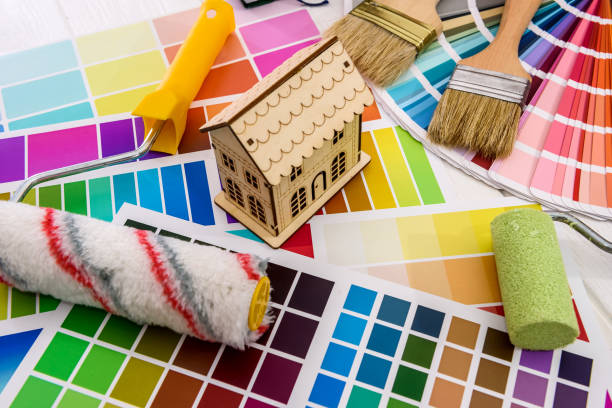
Use colors and styles that match the rest of your home. Achieve a lounge-like atmosphere where aesthetics are balanced with function and practicality.
6. Hiring Contractors
Get Multiple Quotes
Get several bids in order to compare prices and services. Make sure that each quote covers all facets of the project to avoid unforeseen costs down the line.
Check References and Reviews
Investigate the contractors, including references and reviews on the Internet. Select contractors that have a reputation for producing quality work and completing tasks on time.
7. Constructing the Extension
Project Management
If you are going to manage the project on your own, have regular check-ins with your contractor to ensure they are sticking to deadlines and resolving any challenges in a timely manner.
Monitor Progress
Confirm that the details are along the lines you designed and to the quality standards as often as possible. They can make small issues big problems if you are not being proactive.
8. Final Touches
Inspect and Review
After construction is complete, inspect the completed work. Inspect for defects and verify all elements comply with your specifications. Raise any discrepancies with your contractor as soon as practicable.
Furnish and Decorate
Lastly, fill it up to your taste, have fun decorating! Your extension will not only be able to fit more people, but also hope that wise decoration and furniture layout to make them look much better.
Conclusion
You need to plan well before designing a house extension, the reward is worth it though. By taking these steps, from clarifying your goals to selecting the materials and contractors that are right for you, you will be able to build a space that will increase both the comfort and value of your home. Working with a professional can help either accommodate more broad projects, such as remodeling your kitchen or even a home extension in Auckland for more specific ones. A well done extension provides you with more space and enhances your living experience.